
Nepal’s Only Native Bird Species, The Rare Spiny Babbler, Has Been Spotted In Arghakhanchi’s Thadadaha Area, Where No Previous Sightings Had Been Recorded
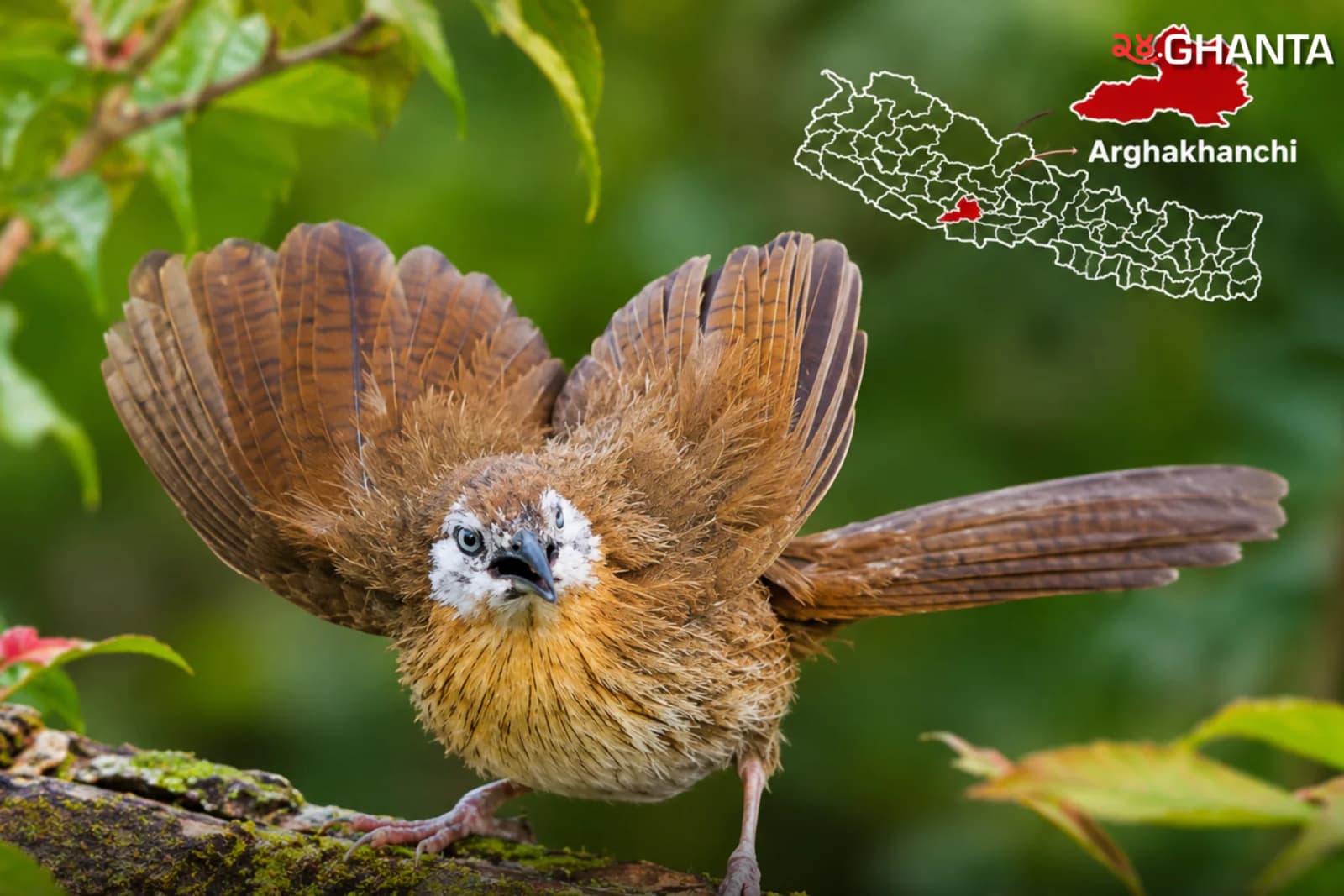
Nepal’s only endemic bird species, the Spiny Babbler, has been recorded in the Thadadaha area of Shitaganga Municipality, Arghakhanchi, where no previous sighting had been documented in the district’s southern region. The discovery highlights the area’s biodiversity and the importance of protecting natural habitats for native wildlife.
· 3 min read
Kathmandu, November 17, 2026
Nepal's rare Spiny Babbler, a bird species naturally found only in the country, has been recorded in the Thadadaha area of Shitaganga Municipality in Arghakhanchi. The Division Forest Office reported the sighting on November 17, describing it as an important discovery because the species had not previously been documented in the district's southern region. The finding highlights the area's biodiversity and provides new information for bird research and conservation.
Why This Discovery Matters
According to the Division Forest Office, the sighting provides fresh evidence of the different bird species living in Arghakhanchi's forests and natural habitats. Information Officer Keshar Khadka described the discovery as a significant achievement for the district, highlighting the importance of protecting natural vegetation and studying wildlife in lesser-explored areas.

What Makes The Spiny Babbler So Special?
Locally known as Kande Bhyakur, the Spiny Babbler (Acanthoptila nipalensis) is Nepal's only endemic bird species, meaning it is naturally found nowhere else in the world. First scientifically described in 1836, the bird is an important part of Nepal's unique biodiversity.
Despite being known to science for nearly two centuries, many details about its population, behaviour and distribution remain poorly understood.
What Does The Bird Look Like?
The Spiny Babbler is a medium-sized bird, usually measuring around 22–26 centimetres in length. It has brown upperparts, a pale face, a slightly curved dark beak and fine dark streaks across its throat and chest.
Its brown colouring helps it blend into bushes and surrounding vegetation, making it difficult to notice in the wild.
Where Does It Live And What Does It Eat?
The bird prefers dense shrubs, bushy hillsides and areas covered with natural vegetation. It is generally associated with Nepal's middle hills and has commonly been observed around Kathmandu Valley, Pokhara and other suitable habitats.
It mainly feeds on insects such as grasshoppers, beetles and caterpillars, along with spiders and other small creatures. It often searches for food among fallen leaves and vegetation near the ground.
How Does The Spiny Babbler Reproduce?
The Spiny Babbler generally breeds during the warmer months, with nesting activity commonly reported between April and June. It builds nests in low bushes, small trees or sheltered spaces, and females typically lay two to four eggs.
The species is also known for cooperative breeding behaviour, where other members of a small group may help care for and feed young birds.
Is The Spiny Babbler Endangered?
Despite its limited global distribution, the Spiny Babbler is currently classified as Least Concern on the IUCN Red List. However, its exact global population remains unknown.
Habitat destruction, forest fires, degradation of shrublands and human activities remain important conservation concerns. Researchers have also warned that climate change could affect the availability of suitable habitats in the future.
What Does The Discovery Mean For Nepal?
The latest sighting in Thadadaha strengthens the importance of documenting birds in areas where previous records are limited. It could encourage further wildlife surveys, scientific research and responsible birdwatching in Arghakhanchi.
For Nepal, protecting the Spiny Babbler means preserving a species that forms a unique part of the country's natural heritage and cannot currently be found in the wild anywhere else in the world.
Published 10 hours ago in Nepal