24 Ghanta

Search

15 results for "Risk Reduction"

Nepal Plans New City for Flood-Displaced Families Instead of Rebuilding in Devastated Areas

Nepal’s government plans to develop a new organized settlement on safer land for families displaced by the recent floods instead of returning them to some of the worst-hit locations. Infrastructure Minister Sunil Lamsal said the proposed settlement would include schools, hospitals and industries, although its location, budget and construction timeline have not yet been announced.

Sep 21
Nepal Plans New Flood Settlement

Bhotekoshi Flood Leaves Nepal Facing Rs. 7 Kharba 23 Arba Reconstruction Challenge As Energy, Roads, Bridges, Homes And Businesses Suffer Massive Damage

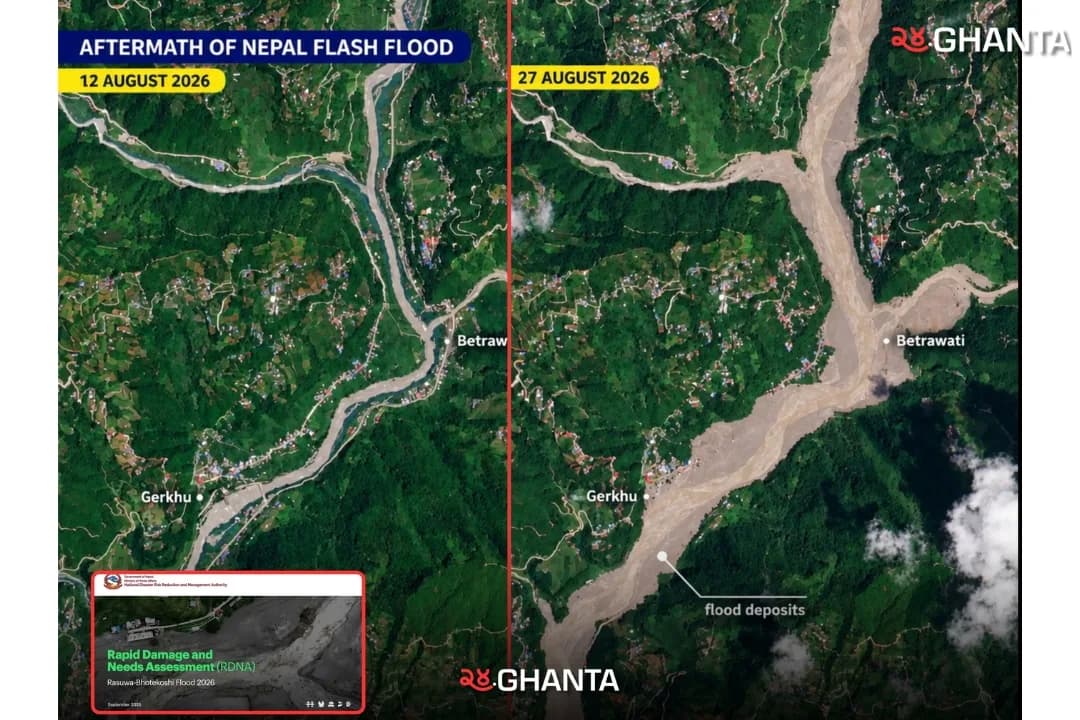
Nepal estimates Rs. 7 Kharba 23 Arba 31 Crore 52 Lakh will be needed for recovery and reconstruction after the Bhotekoshi flood. The disaster damaged hydropower and solar projects, roads, bridges, thousands of homes, schools, health institutions, businesses, and farmland across five districts, making long-term rebuilding a major national challenge.

Sep 11
Bhotekoshi Flood Reconstruction Cost Reaches Rs. 7 Kharba 23 Arba

Seven Days After Rasuwa Flood: What Did the Government Actually Do?

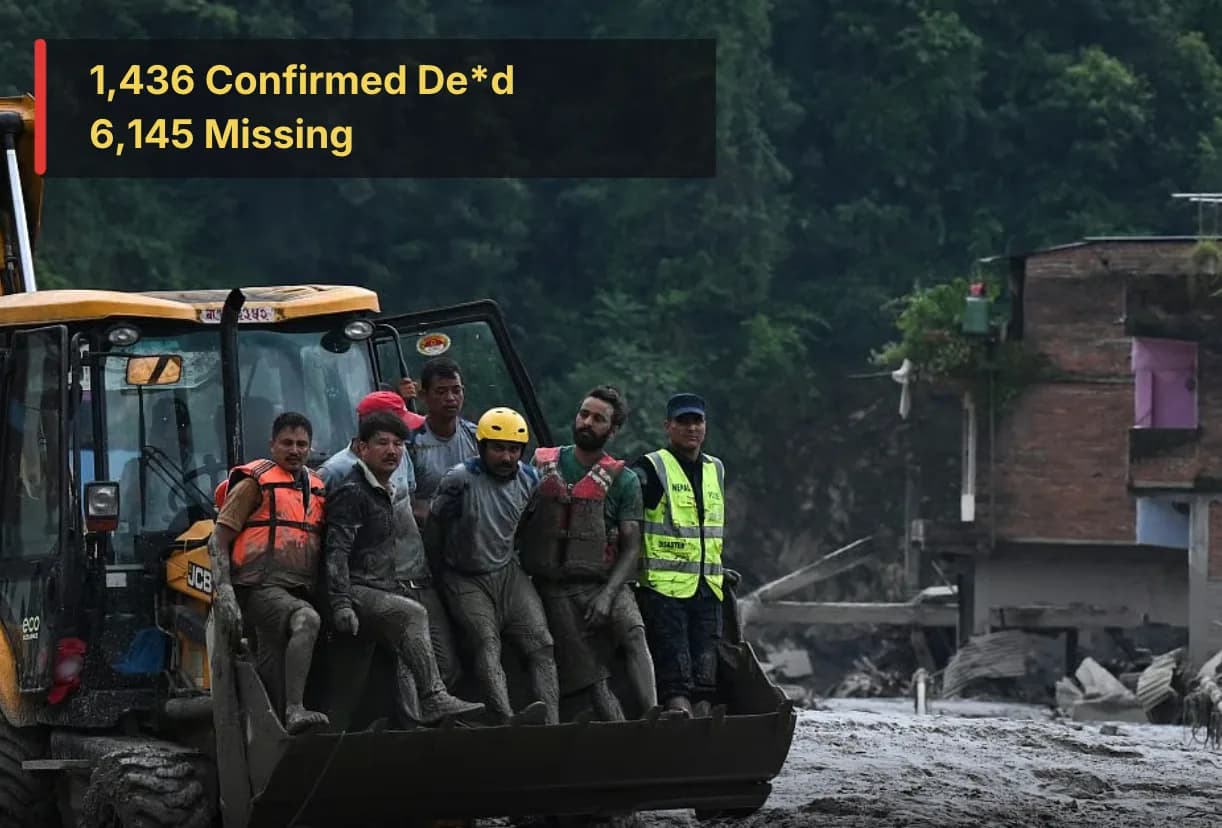
Prime Minister Balen Shah has presented Parliament with a detailed account of the government’s response following the August 26 Bhote Koshi flood, including helicopter rescues, free treatment, relief funding, evacuation, road restoration and emergency coordination. The government also allocated additional disaster funds, declared affected local levels crisis zones for three months and continued coordinating with provincial, local and international partners as rescue and recovery operations continued.

Sep 2
Rescue, Relief, Recovery After Rasuwa

China Rejects Claims It Withheld Weather And River Data From Nepal After Rasuwa Disaster

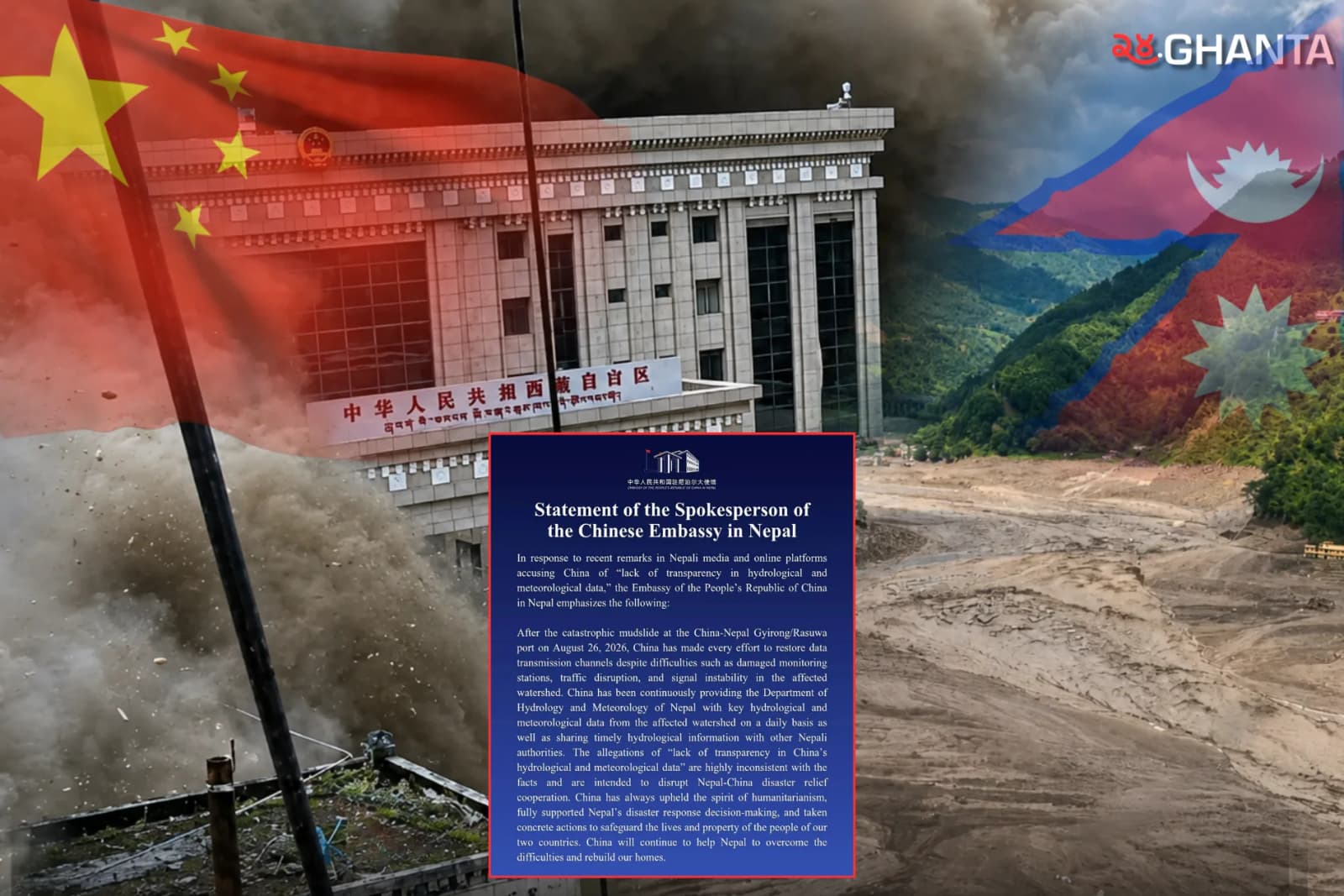
The Chinese Embassy in Nepal has rejected claims that China lacked transparency in sharing hydrological and weather information following the August 26 disaster along the Gyirong-Rasuwa border, saying it continues to provide key data to Nepal every day despite damage to monitoring and communication systems. China says cooperation on warnings and disaster response remains active, although the catastrophe has also raised wider questions in Nepal about whether the two countries need a stronger formal system for sharing real-time cross-border hazard information.

Sep 2
China Defends Disaster Data Sharing

Before the Flood Arrived: What Did Nepal Know And When?

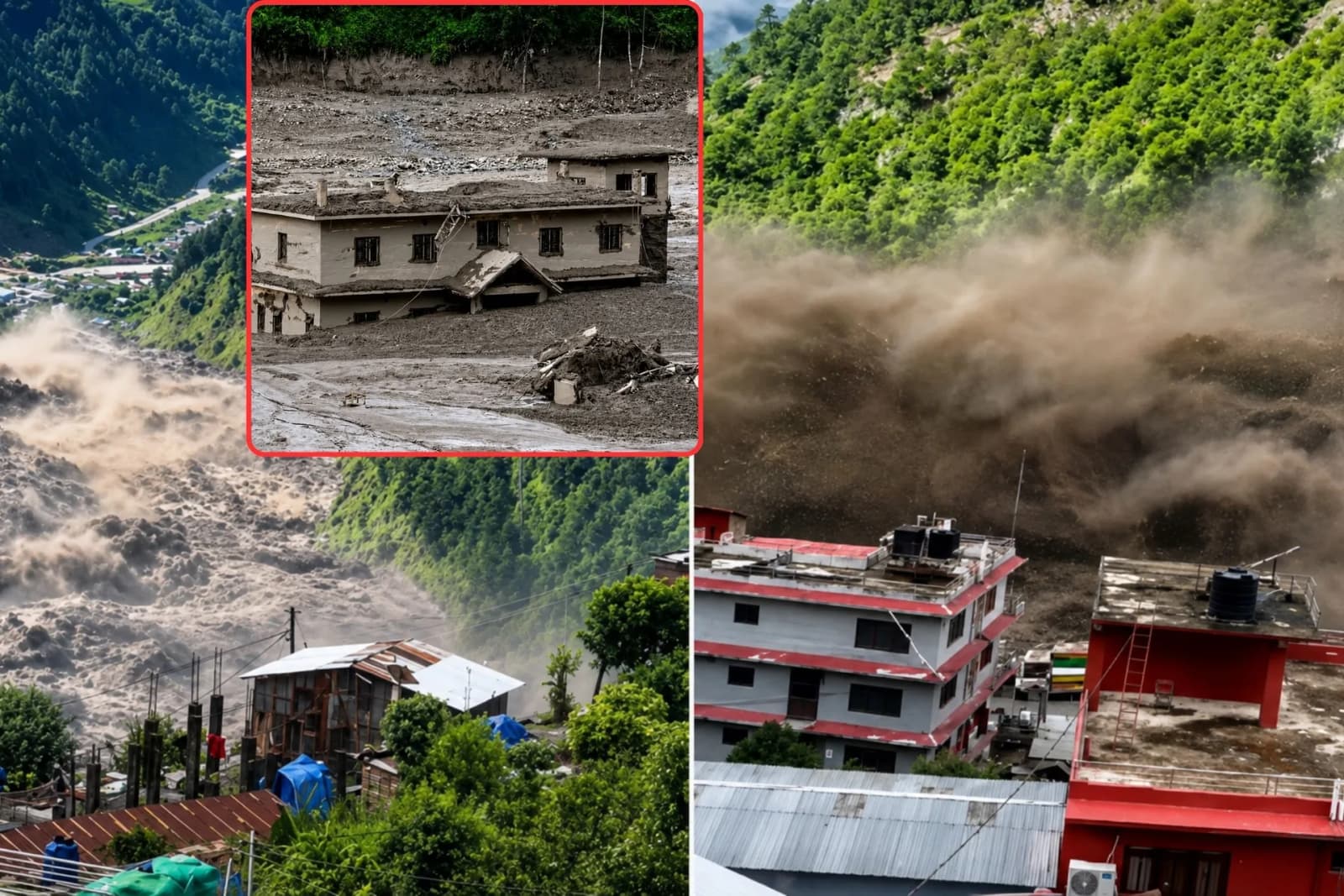
Nepal's official timeline shows that authorities began receiving information about the devastating Rasuwa flood around 9 AM, with mass SMS warnings following shortly afterward. While communities farther downstream potentially had more time to react, those near the Tibet border faced a much shorter warning window. The key unanswered question is whether information from upstream could have reached Nepal earlier and provided more time to save lives.

Aug 28
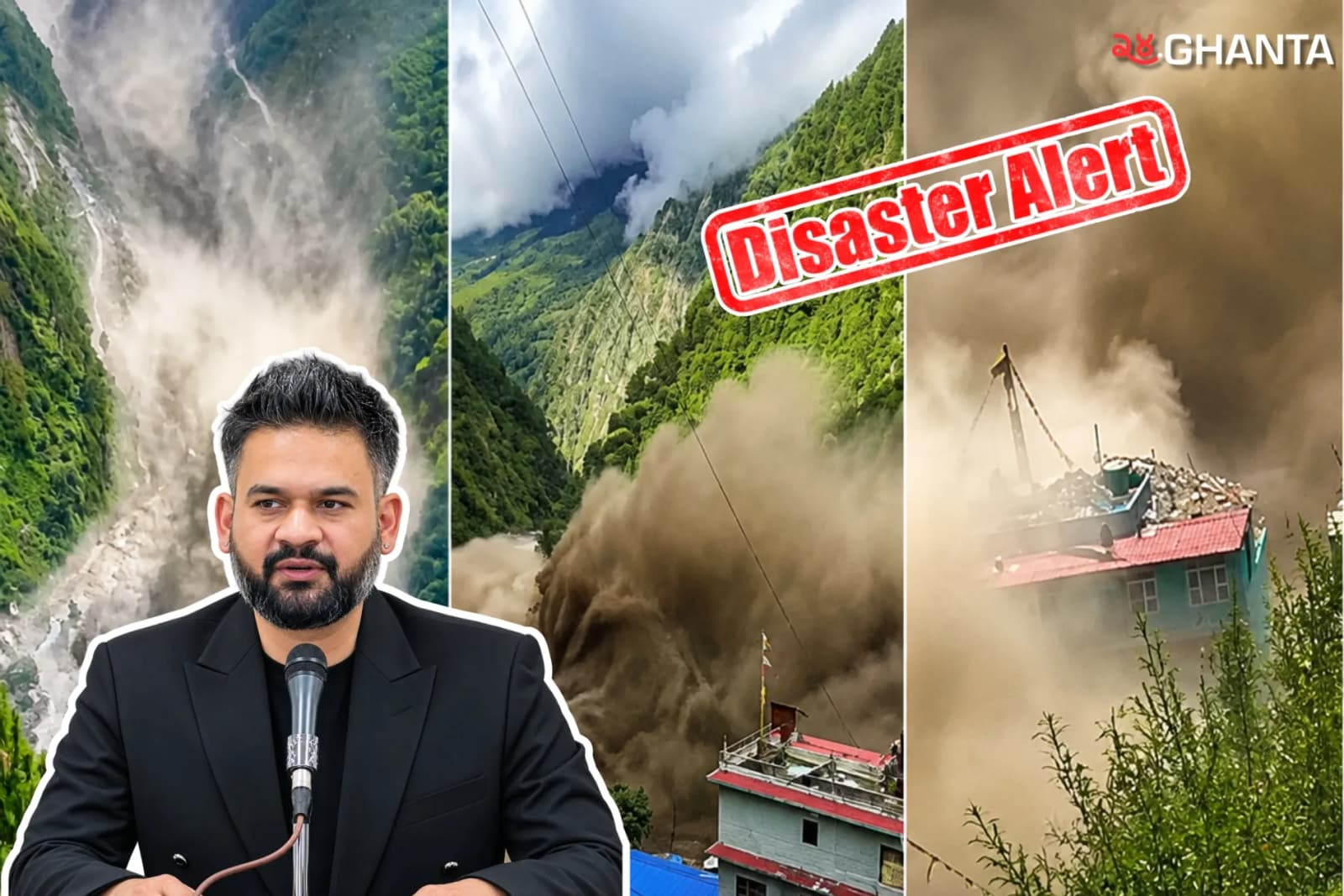
A massive surge of mud, rocks, and debris rushes through a mountain valley toward settlements and homes in its path.

Why Nepal’s Roads Fail Every Monsoon and What Could Make Them Safer

Every monsoon, Nepal’s roads are disrupted by landslides, floods, and unfinished infrastructure. Heavy rain may trigger the damage, but weak planning, delayed projects, poor oversight, and slow disaster response often make the situation worse. Safer roads will require more than clearing blockages it will take stronger accountability, better drainage, timely warnings, and long-term planning.

Jul 23
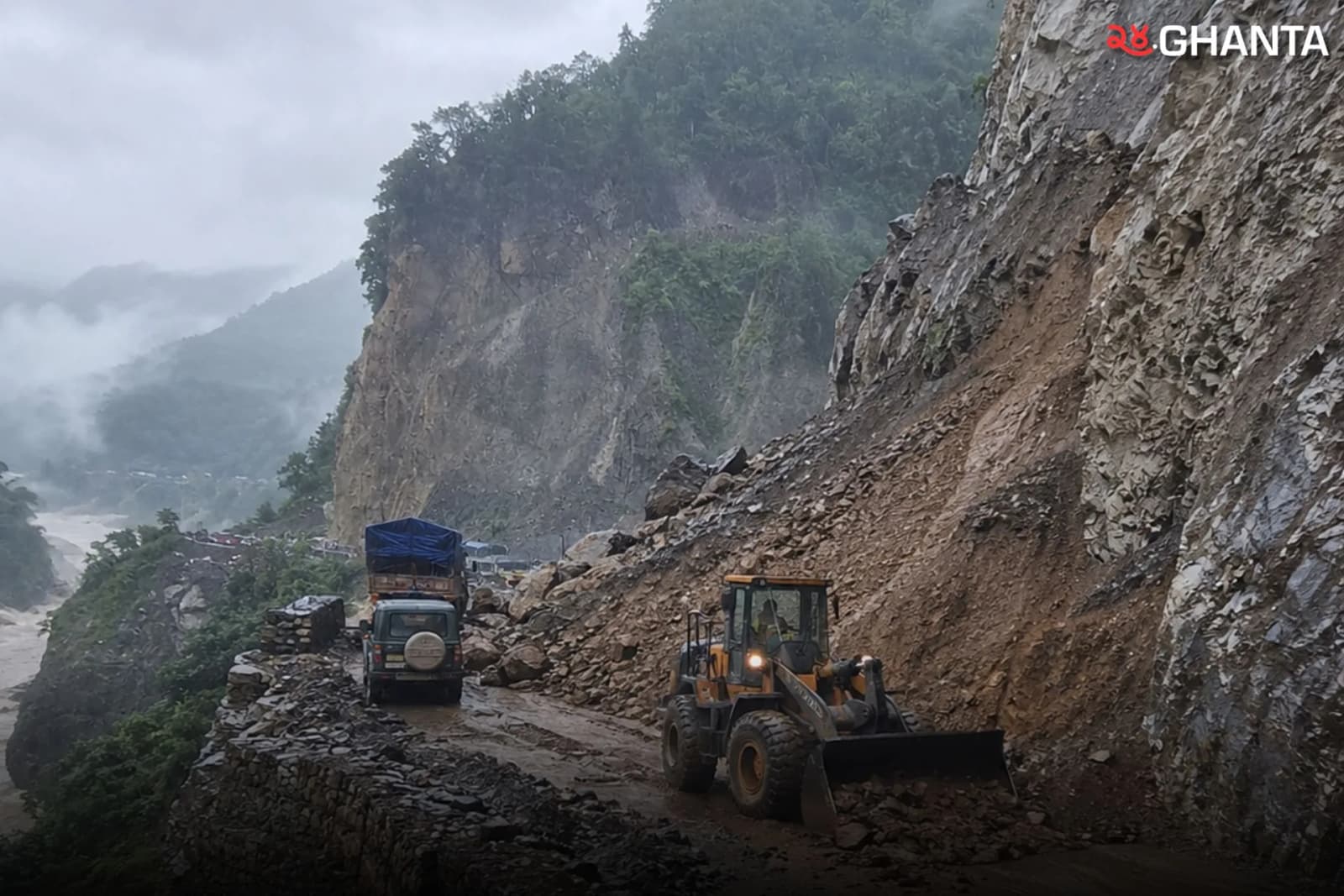
Heavy machinery clears landslide debris from a narrow, rain-soaked road as traffic waits to pass.